
NEPRA Net Metering Rules 2026: Net metering was introduced in Pakistan to encourage renewable energy adoption and reduce dependence on the national power grid. Under the original system launched through NEPRA regulations in 2015, people with solar panels could send excess electricity back to the grid and receive equal credit against the electricity they consumed later. It worked almost like a bank account for electricity. If your solar panels generated more electricity during the daytime, those extra units could offset your nighttime usage.
NEPRA Net Metering Rules 2026
This system became extremely popular because electricity prices in Pakistan continued rising every year. Households in cities like Lahore, Multan, Karachi, and Islamabad saw massive monthly bills due to fuel adjustments, taxes, and peak-hour charges. Solar energy suddenly became the escape route. Many homeowners reduced their bills to almost zero after installing on-grid systems with green meters. NEPRA Net Metering Rules 2026
The financial attraction was simple. Under the old system, exported units and imported units were treated almost equally. If you exported 500 units and later used 500 units from the grid, your bill could become minimal. This encouraged rapid solar growth across Pakistan, especially between 2021 and 2025. According to recent reports, hundreds of thousands of users adopted solar net metering before the 2026 policy change. NEPRA Net Metering Rules 2026
The government initially supported this transition because Pakistan faced serious electricity shortages and rising fuel import costs. Solar users reduced pressure on the grid and contributed clean energy during daylight hours. Over time, however, DISCOs and policymakers argued that the old structure created financial imbalance within the electricity sector. That debate eventually led to the 2026 reforms. NEPRA Net Metering Rules 2026
Major Changes in NEPRA Net Metering Rules 2026
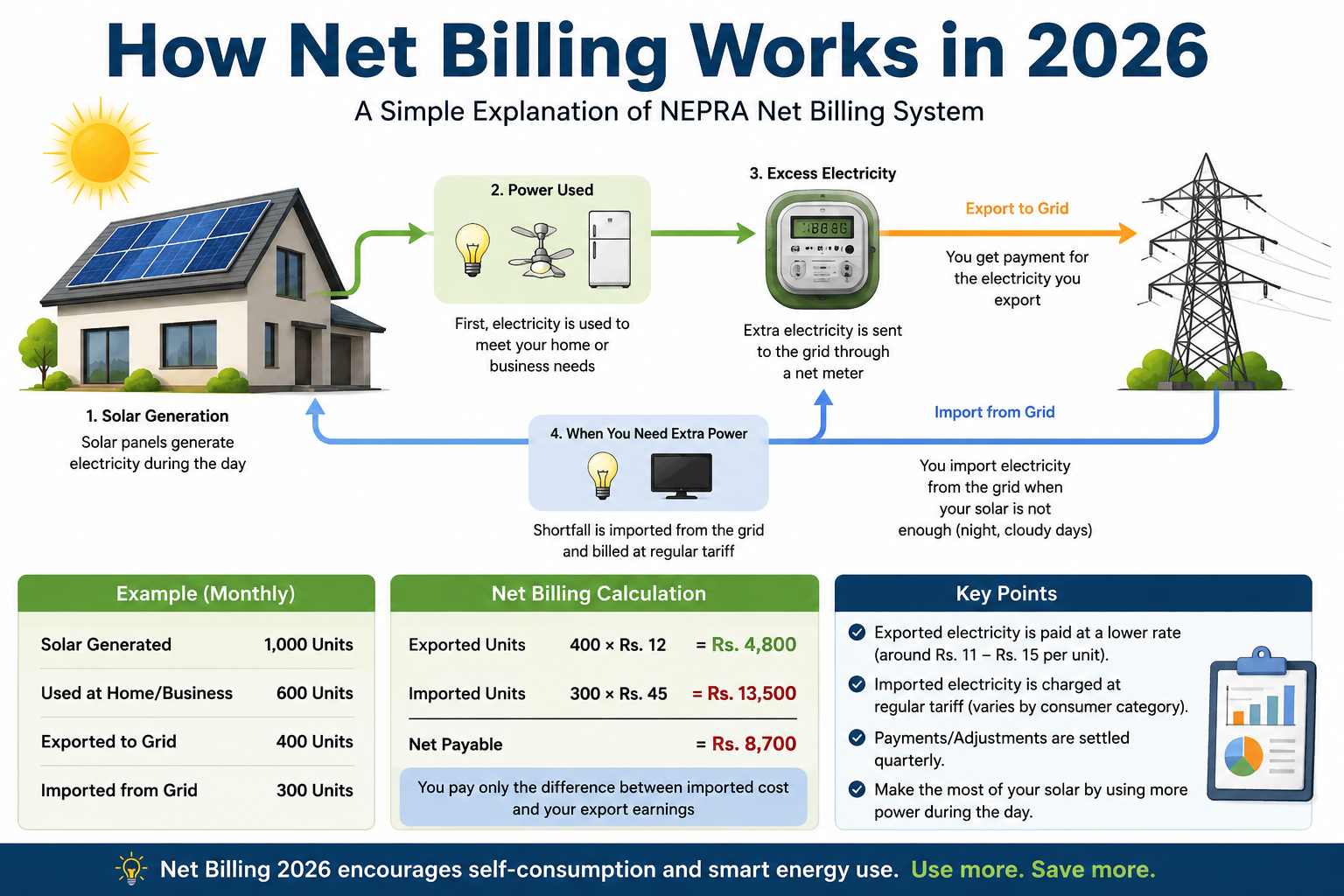
The biggest update in the new regulations is the replacement of traditional net metering with net billing. This single change has transformed the economics of solar systems in Pakistan. Under the new framework, users no longer receive one-to-one unit adjustment for exported electricity. Instead, exported units are purchased at the National Average Energy Purchase Price while imported electricity is charged according to standard consumer tariffs. NEPRA Net Metering Rules 2026
Here is a simple comparison of the old and new systems:
| Feature | Old Net Metering | New Net Billing 2026 |
|---|---|---|
| Export Credit | 1:1 Unit Adjustment | Lower Buyback Rate |
| Consumer Benefit | High Savings | Reduced Savings |
| Agreement Duration | 7 Years | 5 Years |
| Settlement Method | Monthly Adjustment | Quarterly Payments |
| Export Rate | Around Retail Tariff | Around Rs 11-15/Unit |
One of the most discussed changes is the lower export rate. Reports indicate that exported electricity may now be purchased at approximately Rs 11 to Rs 15 per unit, while imported electricity can cost consumers above Rs 40 per unit depending on tariff category and taxes. NEPRA Net Metering Rules 2026
That difference changes the game completely. Under the old structure, many people oversized their systems because extra electricity still carried strong financial value. Under the new policy, exporting large surplus electricity to the grid is less profitable. This is why many solar experts now recommend hybrid systems with batteries instead of purely on-grid systems.
Another important update is the reduction in agreement duration. Previous net metering agreements typically lasted seven years. The new regulations reduced this period to five years with possible renewal options afterward. NEPRA Net Metering Rules 2026
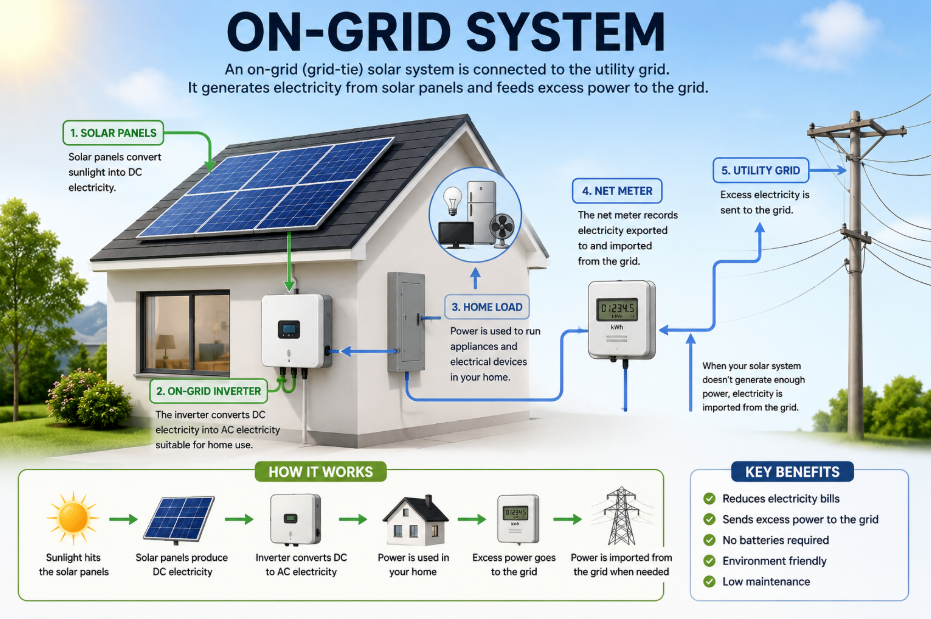
Difference Between Old and New Solar Policies
One of the biggest concerns among solar users in Pakistan was whether the new rules would apply to people who already had approved net metering systems. After strong public criticism and policy discussions, NEPRA clarified that existing approved users would largely continue under earlier agreements until contract expiry.
That clarification gave relief to thousands of homeowners who had recently invested millions of rupees into solar installations. Existing consumers with valid agreements can continue enjoying older billing structures until their agreements naturally expire. However, system modifications and expansions may affect those protections under revised amendments. NEPRA Net Metering Rules 2026
For new applicants after February 2026, the situation is completely different. These users fall directly under the new net billing mechanism. They cannot access the old one-to-one adjustment model. This means new solar buyers must carefully design their systems according to actual daytime consumption instead of relying heavily on grid exports. NEPRA Net Metering Rules 2026
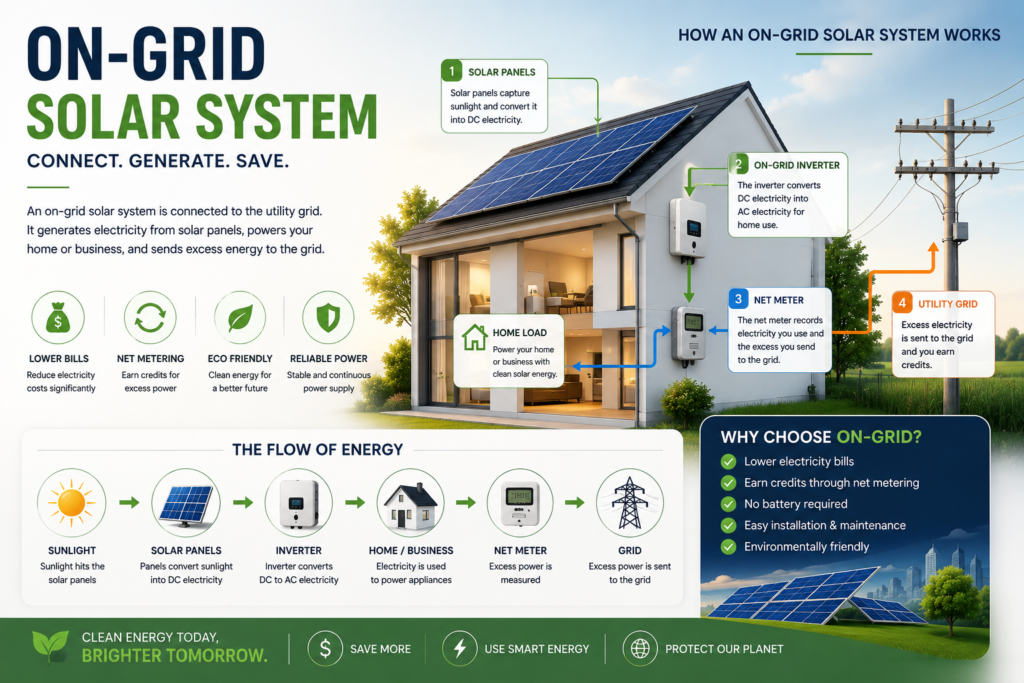
The emotional reaction from the public has been intense. Many users on Pakistani solar forums and Reddit communities described the new rules as a major setback for on-grid solar investments. Some users now prefer battery-backed hybrid systems to maximize self-consumption rather than exporting cheap electricity to the grid.
At the same time, solar adoption is unlikely to stop entirely. Electricity tariffs remain extremely high in Pakistan. Even with lower export compensation, generating your own electricity still provides substantial long-term savings. The difference is that buyers now need smarter planning instead of blindly installing oversized systems.
How Net Billing Works in 2026
To understand the new policy properly, you need to understand how net billing actually functions. Under the previous system, imported and exported electricity units could offset each other almost equally. Under net billing, imported electricity and exported electricity are treated separately.
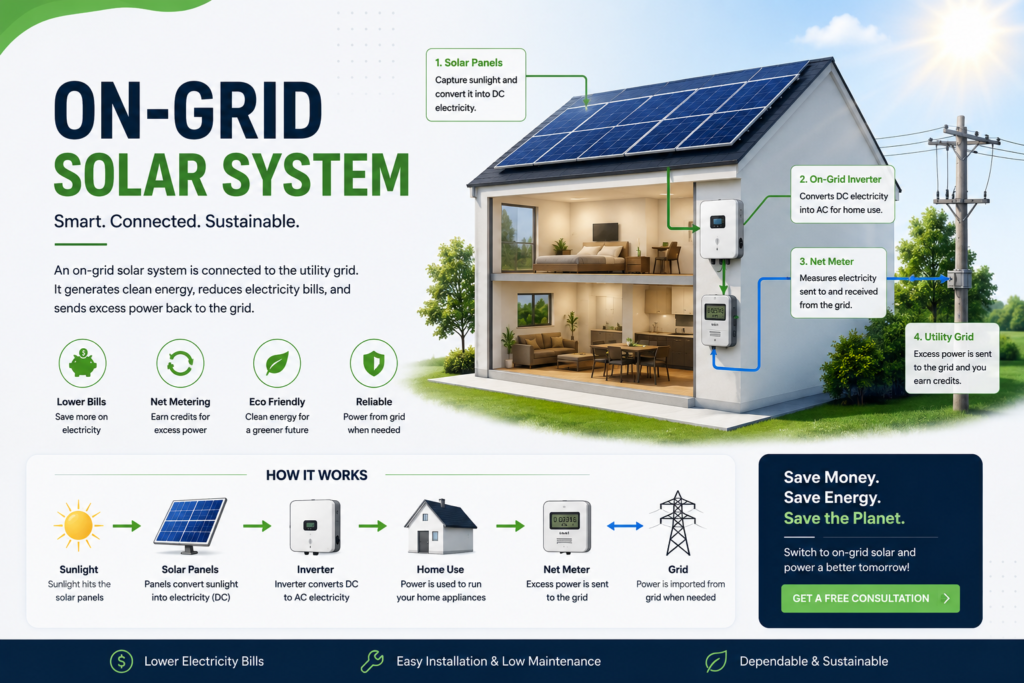
Imagine your home consumes 800 units per month. Your solar system generates 700 units, but only 400 units are used directly during the daytime while the remaining 300 units are exported to the grid. Under the new system, those exported units are purchased at the lower buyback rate, while nighttime imported units are billed at the regular higher tariff. NEPRA Net Metering Rules 2026
Here’s a simplified example:
| Activity | Units | Rate |
|---|---|---|
| Exported to Grid | 300 | Rs 11/unit |
| Imported From Grid | 400 | Rs 45/unit |
This means the exported electricity does not cancel out imported electricity equally anymore. That is why many users may still receive noticeable electricity bills despite having large solar systems. NEPRA Net Metering Rules 2026
Another major change is the payment settlement process. According to recent reports, exported electricity compensation may be settled quarterly instead of monthly bill adjustments.
This system encourages consumers to maximize direct solar consumption instead of relying on exports. Daytime usage habits now matter more than ever. Running appliances like washing machines, water pumps, irons, and air conditioners during solar production hours can significantly improve savings.
Experts now compare solar systems to water tanks. Earlier, users could freely pour extra “water” into the grid and take it back later at nearly equal value. Under the new rules, the grid now pays much less for that extra water while charging much more when you take it back.
Impact on Residential Solar Users
Residential consumers are probably the most affected group under the 2026 regulations. In previous years, homeowners could install large on-grid systems and reduce their bills dramatically using exported electricity credits. The new structure changes that calculation completely.
For households that consume most electricity during daytime hours, solar remains highly valuable. Homes with daytime air conditioning, offices, home businesses, or electric appliances running during sunlight hours can still benefit strongly. The key difference is that exported electricity no longer creates the same financial advantage.
Return on investment timelines are also changing. Earlier, many solar systems in Pakistan achieved payback within three to four years depending on electricity usage. Under the updated framework, the payback period may increase, especially for systems heavily dependent on exporting electricity.
This is why many installers now recommend:
- Hybrid inverters
- Battery storage systems
- Optimized solar sizing
- Daytime energy management
Battery demand is expected to rise sharply because storing extra electricity for nighttime use now makes more financial sense than exporting it cheaply to the grid. Lithium battery systems are becoming increasingly popular among homeowners seeking energy independence and load-shedding protection.
Even after the policy changes, solar still protects consumers from future tariff hikes. Pakistan’s electricity prices continue rising due to fuel costs, circular debt, and infrastructure issues. A properly designed solar system can still save lakhs of rupees over its lifetime.
Impact on Commercial and Industrial Consumers
Commercial buildings and factories may actually adapt better to the new framework than residential users. Why? Because many businesses consume most of their electricity during daytime operating hours. That means they use solar power directly instead of exporting large surpluses.
Factories, schools, hospitals, shopping malls, and office buildings can still achieve strong savings if their daytime load matches solar generation patterns. Industrial consumers running machinery throughout the day remain in a relatively stronger position compared to residential users with nighttime-heavy consumption patterns.
The challenge appears when systems are oversized beyond actual daytime needs. Under the old rules, exporting huge amounts of electricity still generated excellent value. Under net billing, oversized systems lose efficiency from a financial perspective because export compensation is much lower.
Businesses now need more detailed energy audits before installing solar. Instead of simply maximizing panel count, companies must focus on:
| Recommended Strategy | Purpose |
|---|---|
| Load Analysis | Match generation with usage |
| Hybrid Systems | Reduce nighttime imports |
| Battery Backup | Store daytime surplus |
| Smart Monitoring | Improve energy efficiency |
The commercial sector may also see stronger investment in energy storage technology over the next few years. Batteries allow businesses to use their own stored solar electricity during expensive evening hours instead of buying high-priced grid electricity.
Interestingly, the new rules may indirectly encourage smarter energy usage across Pakistan. Instead of blindly exporting electricity, users are now motivated to improve energy efficiency, optimize consumption timing, and reduce wastage.
NEPRA Application and Approval Process
The solar approval process has also become stricter under the updated regulations. New applicants are required to complete additional documentation and licensing procedures depending on system size and DISCO requirements. Recent reports indicate that concurrence and processing fees have also been revised.
Common documents required for approval include:
- Copy of CNIC
- Electricity bill copy
- Property ownership documents
- Single line diagram
- Inverter specifications
- Solar panel specifications
- Undertaking forms
- Installer information
Reports suggest that NEPRA now requires concurrence for more categories of systems, including smaller installations that previously faced simpler approval procedures. Processing fees may be calculated based on system size per kilowatt.
This has increased the importance of choosing experienced and approved solar installers. Many consumers in Pakistan already complain about delays in green meter approvals and documentation processing. Under the stricter regulatory environment, poor-quality applications may face even longer delays.
Consumers should also carefully verify inverter compatibility, safety protections, and installation standards. DISCO inspections have become more detailed in many areas. Using cheap, low-quality equipment may create approval problems later.
Best Solar Strategy After the 2026 Rules
The smartest solar strategy in 2026 is no longer “install the biggest system possible.” Instead, the goal is to maximize self-consumption. In simple words, use as much of your own generated electricity as possible before sending anything to the grid.
Hybrid solar systems are becoming the preferred choice because they combine solar panels with battery storage. Instead of exporting daytime surplus electricity cheaply, batteries allow users to store extra energy for nighttime usage. This improves overall savings significantly under the new policy environment.
Think of batteries as your personal electricity bank. Under the old rules, the national grid acted like a generous bank. Under the new rules, that bank pays much lower returns. Now it often makes more sense to store your own electricity privately.
Experts in Pakistan increasingly recommend:
- Proper load assessment before installation
- Avoiding oversized on-grid systems
- Investing in efficient appliances
- Using heavy appliances during daytime
- Considering lithium battery backup systems
Hybrid systems also provide better backup during load shedding, which remains a serious issue in many parts of Pakistan. Even though batteries increase initial investment costs, they improve long-term flexibility and energy independence.
The solar market itself is adapting quickly. Installers are changing sales strategies, consumers are learning new energy management habits, and equipment demand patterns are shifting toward storage technologies.
Future of Solar Energy in Pakistan
Despite the controversy surrounding the 2026 regulations, solar energy is still expected to grow in Pakistan. Electricity demand continues increasing, fuel costs remain unstable, and consumers desperately need alternatives to expensive grid power.
Pakistan receives abundant sunlight throughout most of the year, making solar energy naturally attractive. The economics may have changed, but the fundamental advantages remain powerful. Solar still reduces dependency on utility companies, lowers long-term electricity costs, and protects against future tariff hikes.
Industry experts believe the market may shift in several directions over the next few years:
| Future Trend | Expected Growth |
|---|---|
| Hybrid Solar Systems | Very High |
| Lithium Batteries | Rapid Growth |
| Smart Energy Management | Increasing |
| Commercial Solar | Stable |
| Pure On-Grid Systems | Slower Growth |
The policy changes may also encourage innovation in battery storage, smart home systems, and energy efficiency technologies. Instead of relying entirely on grid exports, users will focus more on intelligent energy management inside homes and businesses.
Public reaction remains mixed. Some consumers feel betrayed because earlier government policies encouraged heavy solar investment. Others believe the system needed reform to maintain grid stability and financial balance. Either way, the rules have undeniably changed the solar landscape in Pakistan forever.
Conclusion
The NEPRA net metering rules 2026 represent one of the biggest transformations in Pakistan’s solar energy sector. The transition from net metering to net billing has changed how solar users calculate savings, system sizes, and future investments. Exporting electricity to the grid is no longer as profitable as before, and consumers must now focus on maximizing self-consumption.
Existing solar users still retain protections under earlier agreements in many cases, while new applicants face the updated framework directly. Hybrid systems and battery storage are becoming increasingly important because they help users reduce reliance on grid imports during expensive hours.
Solar energy is still a valuable investment in Pakistan, but the strategy is now different. Success in 2026 depends on smarter planning, efficient usage habits, proper system sizing, and understanding the new policy environment clearly. People who adapt to these changes intelligently can still achieve strong long-term savings and greater energy independence.